
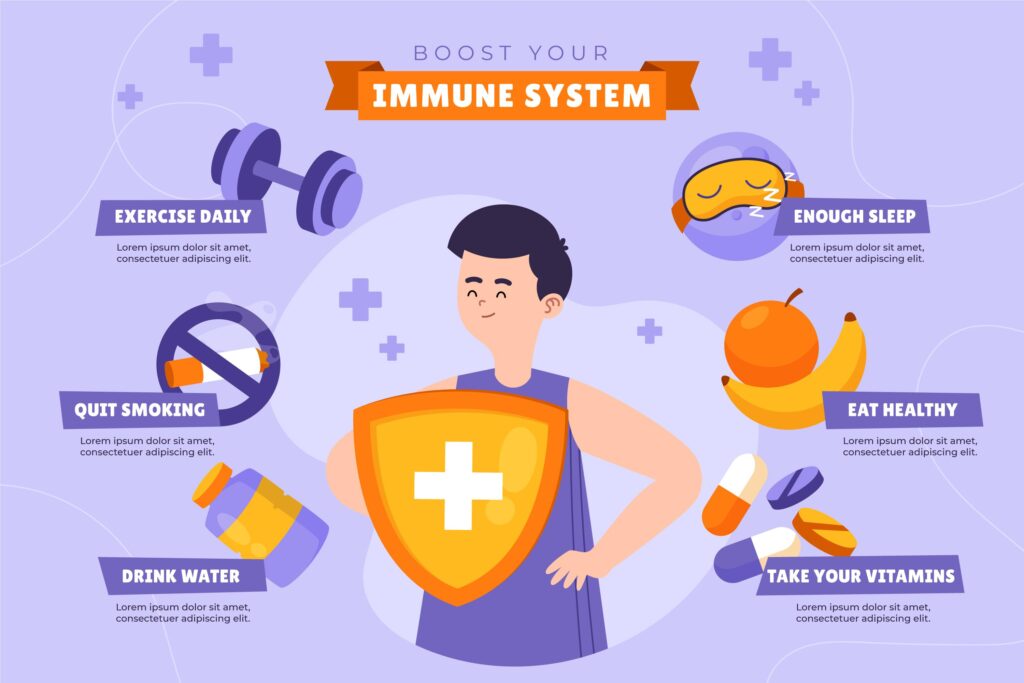
Children are naturally exposed to countless germs every day, whether at school, playgrounds, daycare centers, or even at home. While it is impossible to prevent every illness, parents can help strengthen their child’s immune system through healthy daily habits. A strong immune system helps children fight infections more effectively, recover faster, and maintain better overall health.
Many parents search for quick solutions or “immune-boosting” products, but the truth is that there is no single food, supplement, or medicine that instantly strengthens immunity. Instead, long-term healthy habits supported by pediatric experts make the biggest difference.
At Qalb Al Tifl, our pediatric specialists believe that prevention is always better than treatment. By encouraging healthy routines from an early age, parents can give their children the best foundation for lifelong wellness.
What Is the Immune System?
The immune system is the body’s natural defense mechanism against bacteria, viruses, fungi, and other harmful microorganisms. It consists of various organs, cells, and proteins that work together to recognize and destroy harmful invaders while protecting healthy cells.
Children’s immune systems continue developing throughout childhood. During this period, they experience common illnesses such as colds, coughs, sore throats, and viral infections as their bodies gradually build immunity.
Frequent minor illnesses are often a normal part of growing up and do not necessarily indicate a weak immune system.
Provide a Balanced and Nutritious Diet
Healthy nutrition is one of the most effective ways to support your child’s immune system naturally.
A balanced diet should include:
- Fresh fruits rich in Vitamin C
- Colorful vegetables containing antioxidants
- Whole grains for sustained energy
- Lean proteins such as chicken, fish, eggs, and beans
- Healthy fats from nuts, seeds, and avocados
- Dairy products rich in calcium and Vitamin D
Different nutrients perform different roles in supporting immune health.
Vitamin C
Vitamin C helps support immune cell function and can be found in:
- Oranges
- Strawberries
- Kiwi
- Bell peppers
- Broccoli
Vitamin A
Vitamin A supports healthy skin and mucous membranes, which act as the body’s first line of defense.
Good sources include:
- Carrots
- Sweet potatoes
- Spinach
- Pumpkin
Zinc
Zinc helps immune cells function properly.
Healthy sources include:
- Meat
- Seafood
- Dairy
- Beans
- Pumpkin seeds
Instead of focusing on one “superfood,” aim for a colorful and varied diet every day.
Encourage Regular Physical Activity
Exercise benefits much more than muscles and bones. Regular physical activity improves blood circulation, supports immune function, reduces stress, and promotes healthy sleep.
Children should spend plenty of time being active through activities such as:
- Outdoor play
- Cycling
- Swimming
- Dancing
- Running
- Sports
- Family walks
Limiting screen time also encourages children to move more throughout the day.
Make Quality Sleep a Priority
Sleep is one of the most overlooked factors affecting children’s immune health.
During sleep, the body repairs tissues, regulates hormones, and produces important immune cells that fight infection.
Recommended sleep durations include:
- Toddlers: 11–14 hours
- Preschool children: 10–13 hours
- School-age children: 9–12 hours
- Teenagers: 8–10 hours
Parents can improve sleep quality by:
- Maintaining consistent bedtimes
- Avoiding screens before bed
- Creating a calm bedtime routine
- Keeping bedrooms cool, quiet, and comfortable
Children who regularly get enough sleep often experience fewer illnesses and recover more quickly when they do become sick.
Keep Children Properly Hydrated
Water plays an important role in maintaining healthy body functions, including the immune system.
Proper hydration helps:
- Transport nutrients
- Remove toxins
- Support healthy digestion
- Keep airways moist
- Maintain energy levels
Encourage children to drink water regularly throughout the day, especially during hot weather or physical activities.
Limit sugary drinks and soft drinks, which provide little nutritional value.
Teach Good Hand Hygiene
Handwashing remains one of the simplest and most effective ways to prevent infections.
Teach children to wash their hands:
- Before eating
- After using the bathroom
- After coughing or sneezing
- After playing outside
- After touching pets
- When returning home from school
Children should wash their hands with soap and water for at least 20 seconds.
Parents can make handwashing enjoyable by singing songs or using colorful soaps for younger children.
Keep Vaccinations Up to Date
Vaccinations are among the safest and most effective ways to protect children against serious infectious diseases.
Vaccines help train the immune system to recognize harmful viruses and bacteria before children become seriously ill.
Following the recommended childhood vaccination schedule helps protect against illnesses such as:
- Measles
- Mumps
- Rubella
- Polio
- Influenza
- Hepatitis
- Chickenpox
Regular visits with your pediatrician ensure your child’s immunizations remain current.
To learn more about routine pediatric care and preventive healthcare services, visit our Pediatrics page.
Support Good Gut Health
A significant portion of the immune system is closely connected to the digestive system.
Healthy gut bacteria help regulate immune responses and improve digestion.
Parents can support gut health by offering:
- Yogurt with live cultures
- Fresh fruits
- Vegetables
- Whole grains
- Fiber-rich foods
Avoid excessive processed foods and sugary snacks, which may negatively affect the balance of healthy gut bacteria.
Manage Stress in Children
Stress is not limited to adults. Children may experience stress from school, exams, family changes, friendships, or extracurricular activities.
Long-term stress can affect sleep, appetite, mood, and even immune function.
Parents can help reduce stress by:
- Spending quality family time together
- Encouraging open communication
- Allowing enough playtime
- Maintaining predictable daily routines
- Limiting overwhelming schedules
Children who feel emotionally supported are often healthier both mentally and physically.
Avoid Exposure to Secondhand Smoke
Children exposed to cigarette smoke have a higher risk of:
- Respiratory infections
- Ear infections
- Asthma attacks
- Chronic cough
- Reduced immune defense
Keeping homes and vehicles smoke-free significantly improves children’s overall health.
Spend Time Outdoors
Outdoor activities provide multiple health benefits.
Sunlight helps the body produce Vitamin D, which supports healthy bones and immune function.
Outdoor play also encourages:
- Physical exercise
- Better sleep
- Reduced stress
- Improved mood
- Social interaction
While enjoying outdoor activities, remember to protect children from excessive sun exposure with appropriate clothing, sunscreen, and hydration.
Avoid Unnecessary Antibiotics
Antibiotics are only effective against bacterial infections and do not work against viral illnesses such as the common cold or most coughs.
Using antibiotics unnecessarily may:
- Contribute to antibiotic resistance
- Affect healthy gut bacteria
- Increase future treatment challenges
Always consult a qualified pediatrician before giving antibiotics to your child.
Common Myths About Boosting Immunity
Many products claim to “boost” the immune system instantly, but these claims are often misleading.
Myth 1: Supplements Are Better Than Healthy Food
Reality: Most healthy children obtain the nutrients they need from a balanced diet.
Myth 2: More Vitamins Mean Better Immunity
Reality: Excess vitamins may not provide additional benefits and, in some cases, can be harmful.
Myth 3: Every Cold Means Weak Immunity
Reality: Young children commonly experience several viral infections each year as their immune systems develop naturally.
Myth 4: Expensive Immune-Boosting Products Are Necessary
Reality: Healthy meals, regular exercise, sufficient sleep, vaccinations, and good hygiene remain the most effective ways to support immunity.
When Should Parents See a Pediatrician?
Although occasional illnesses are normal, parents should consult a pediatrician if their child:
- Has frequent severe infections
- Experiences repeated pneumonia or ear infections
- Has poor growth or weight gain
- Takes an unusually long time to recover from illnesses
- Has persistent high fever
- Appears unusually tired or weak
Early evaluation can help identify any underlying medical conditions that may require treatment.
If you are concerned about your child’s overall health, growth, or recurring illnesses, schedule a consultation through our Child Health Services page or learn more about our experienced pediatric specialists on the Pediatrics page.
Conclusion
Building a strong immune system naturally is not about finding a miracle food or supplement. It is the result of consistent healthy habits practiced every day. Nutritious meals, regular exercise, adequate sleep, vaccinations, proper hygiene, emotional well-being, and routine pediatric care all work together to keep children healthy.
Parents play the most important role in creating these lifelong habits. Small daily choices can make a significant difference in helping children grow stronger, stay healthier, and develop the resilience needed to fight common illnesses.
At Qalb Al Tifl, our pediatric team is committed to supporting your child’s health at every stage of development through preventive care, expert medical guidance, and compassionate treatment tailored to every family’s needs.